

Why Your Cleaning Company Culture Matters

What would your long-time employees say about why they've stayed with your company? Perhaps they trust the leadership team, appreciate the quality training, or love their co-workers. Whatever the answer, it is most likely related to your cleaning company culture.
Many company leaders brush off “culture” as a buzzword and a soft concept that lacks the urgency and importance of day-to-day operations or income-generating activities. In truth, however, culture matters as much as—or more than—any other element of your business.
Cleaning company culture is largely responsible for your corporate reputation, team engagement, and productivity. If it's not strong, you'll create tension in the workforce, drive away employees, and put off the best prospective talent.
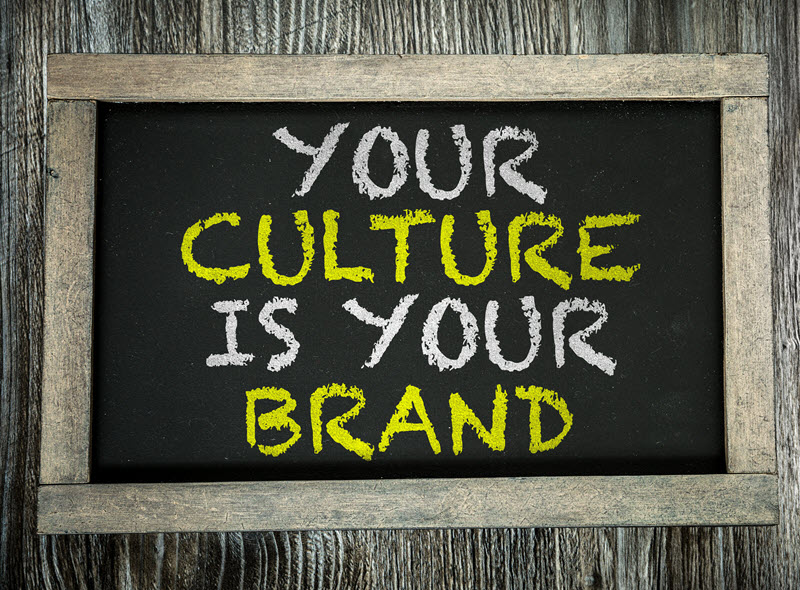
What is Company Culture?
Every company has a culture, even if it's not intentionally created. Company culture is defined as the values, practices, and beliefs shared internally by employees and management, and reflected externally to clients, customers, vendors, and others.
Think of company culture as the DNA or backbone of your corporation. It informs all the beliefs and behaviors of your entire team.
If you want a cleaning company with happy employees and satisfied customers, you need to treat culture as seriously as any other element of what you do. Even if it's not explicitly stated, your company's culture is clearly discernible based on several indicators:
- Management's level of involvement in day-to-day operations
- How leadership recognizes and appreciates employees
- How new employees are welcomed into the company through the onboarding process
- How much and what type of training the company offers
- The employee turnover rate and average length of employment
- How often employees recommend the company to their friends
- Customer retention and satisfaction rates
Benefits of a Great Company Culture
We were lucky enough to hear Tony Hsieh, CEO of Zappos, speak at a conference a while ago. Zappos consistently ranks as one of the best workplaces in the U.S. The company offers new employees $2,000 to quit after their first week of training, but few people take the offer.
Hsieh says Zappos' company culture is one of the most important aspects of their business. In fact, he says half of their decision to hire someone new is based on how well they think the candidate would fit with their company culture. (Read more on what he has to say about leading a great company here.)
Your company isn't Zappos, but it also has a culture. Whether you know it or not, employees and customers in the industry are aware of your company's culture and are already using it to determine whether to hire you or work for you.
There are several clear benefits of having a strong, unified company culture underlying your operations:
1. Employee Retention
Employees are more likely to stay at a company with a strong culture. A LinkedIn study found that companies with stronger employer brands have 28% lower turnover rates than companies with weaker employer brands.
In an industry with notoriously high turnover rates, improving employee retention can make a major difference in the bottom line. It means less money spent on hiring and training or lost on reduced productivity.
2. Talent Acquisition
Culture also matters in the hiring process. A strong reputation will help you attract the best-quality prospects when you have job openings. Also, when your staff members are happy, they are more likely to recommend your company to their friends on the job hunt.
The same LinkedIn study found that companies with strong employer brands enjoy significant cost savings in hiring. Their cost per hire was over 2 times lower than companies with weaker employer brands. That adds up for BSCs dealing with razor-thin margins.
3. Customer Satisfaction
Finally, a strong company culture is also key for finding and keeping the best customers. When your employees feel valued and appreciated, they will perform better in their roles and go the extra mile for your clients.
Top-notch service results in satisfied customers who are more likely to re-sign their contracts. It also creates building managers and business owners who are more likely to recommend your business. When your company culture includes being trustworthy, dependable, reliable, and knowledgeable, you'll have more referrals come in.
Creating a Great Culture
Improving your company culture takes time. Start by making a commitment to making intentional changes rather than letting your company culture just happen. Make it a priority to actively develop the culture you desire.
One of the most important characteristics of a strong corporate culture is a clear mission. It's important that everyone in the company feels invested in the same purpose—something deeper than cleaning.
Evaluate your culture by conducting anonymous surveys. Get your workers' candid opinions about things like leadership involvement, employee recognition, training and advancement opportunities, and overall satisfaction levels. You can do the same with customers to ask about quality and customer service.
Explain to your staff that you are going to be making changes to create a more positive work environment. Getting them involved with the changes will help ensure their buy in.
Look for areas where you can make improvements to increase your employees' and customers' satisfaction. You might start with something simple, like beefing up your employee recognition practices, and eventually tackle more difficult issues, such as improving continuing education opportunities and creating a plan for your business that gives HiPo employees a reason to stick with your company.
Continue to solicit employee and customer feedback, and always take swift action to rectify problems and protect the culture.
Finally, hire based on culture fit. Hiring the right or wrong employee can have a ripple effect in your workforce and on the cultural dynamic. This is even more important as you promote or hire managers. If they fail to embody the company's culture, you risk having your culture crumble.
A positive culture is a critical component of a creating success. Treat it as an integral part of your business strategy, revisiting it often and constantly working to improve or protect it. A strong culture takes plenty of effort to nurture, but the payoff—satisfied employees and customers—is well worth the investment.

Download the Roadmap to Hiring Success
It is time to fine-tune your hiring process? Your hiring process includes getting the "Legal Stuff" set up correctly, writing job descriptions, setting up your pay scale, writing your ads, recruiting candidates, interviewing and asking the right questions, onboarding and training
Make it easy on yourself and use the roadmap to plan you hiring process today!
Visit our Store for Certification Training Programs





