

How to Evaluate and Care for Hardwood Floors

Hardwood floors provide a feeling of warmth and elegance to any commercial building. The look and durability of hard wood flooring has made it a very popular choice and it blends nicely with most types of decor. However, hardwood floors can also be a nightmare for your cleaners to keep looking good and appealing. Knowing what to do and when to do it will help you to keep hard wood floors in prime condition.
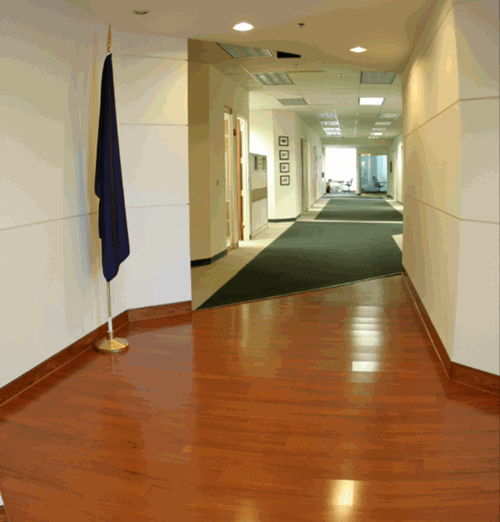
Evaluating and caring for hardwood floors is important
Before beginning a maintenance program on a hardwood floor it's a good idea to ask questions. For example, what type of wood is it, what type of finish does it have, was it ever sanded or renovated, etc. If the information isn't available, then you'll need to assess the floor to determine the condition. Some basic observations of the wood and the finish will help to determine what type of cleaning or refinishing is needed.
Begin by evaluating the condition of the wood. If the floor has extensive damage, warped boards and a lot of wear, the entire floor may need to be replaced. But that is the worst case scenario. Inspect the entire floor, including the edges, and look for differences in the level of the floor.
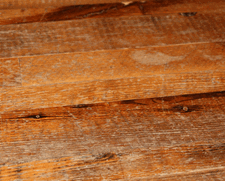
Following are categories you can assign to the floor:
A. Overall very good condition. The hardwood floor looks good or may even be new. The floor may just need a good cleaning to get its luster back.
B. Slight scuffed. The floor is in fairly good condition, however, has a few scuffs and scratches, especially in high traffic areas.
C. Heavy wear. The floor has quite a few scratches, scrapes and dents and looks worn in places. It may even have a few expansion cracks.
D. Warped appearance. The boards in the floor have some minor warping, uneven boards, and numerous dings, dents, scratches and scrapes.
Next, decide the condition of the finish. The condition of the finish may be related to the condition of the wood. For instance if there are deep cuts, scratches or chips in the finish, they may go through the finish and into the wood itself.
After examining the finish, decide what categories are applicable:
A. The floor has a finish, but it looks dirty. The floor most likely just needs a good cleaning to get back that glossy luster.
B. The finish has light scratches, dings and chips and is worn (or is dull) in heavy traffic areas.
C. The finish is chipped in many places. Although the floor definitely has a finish, there are light scrapes, scratches and dings throughout.
D. Finish is worn. There is little or no finish on the floor. The finish may appear to have deep gouges from dragging furniture across it, for example.
E. No finish. The finish is gone or chipped and has a poor appearance.
If the wood and the finish are in good or reasonably good condition, a good cleaning and routine maintenance program is the next step. If the wood (category C, D or E) or finish (C, D or E) is in bad shape, you may need to do more research or consult a professional on the best way to proceed.
Maintaining the hardwood floor
Properly maintaining hardwood floors is important to preserve the look and extend the lifespan of the wood. It is extremely important to remove all the dirt, dropped food, grit and other debris that can end up on and even “ground into” hardwood floors. Dirt that is not removed quickly can be "camouflaged" in the pattern or color of the wood making it not only difficult to see, but easy to ignore.
There are several tools that you can use to remove dirt:
1. Vacuums – This is where the backpack vacuum shines but most types will work. However, avoid an upright vacuum with a beater bar and brushes; they can actually cause damage to the floor. Whatever type of vacuum you choose, make sure it has a hard floor attachment so you avoid scratching the floor.
This nice thing about selecting a vacuum over the more traditional dust mop or broom is that the vacuum sucks the dirt and debris up and away from the floor surface. Vacuums are also great at sucking up all the small dirt particles that can become trapped in wood floors that have beveled grooves and along corners and edges. When partnered with a crevice tool, nothing beats the backpack in my opinion.
2. Microfiber/dust mops. Dust mopping is another method of removing debris from floors. Buy a high quality mop with an eighteen inch head. Treat the mop with a dust mop treatment so it grabs the dirt and doesn't just push it around.
3. Brooms- make sure to use a broom that has "exploded" ends that can sweep up dust and fine grit.
Sweeping, vacuuming or dust mopping regularly is great for getting rid of the dust and dirt, but you will still need to clean the floor periodically. Begin this process by looking for grime, scum, sticky stuff, or stains and spot clean those particular areas first. A slightly damp microfiber flat mop works best using just clean water or neutral pH cleaner.
The next step is to clean the entire floor. This is not recommended as a daily maintenance routine, but rather weekly, bi-weekly or as necessary, depending on the floor and soil conditions.
Begin the cleaning process using a neutral cleaner (pH of 7) or a recommended wood cleaning product and follow the manufacturer's directions. You can fill a 32 oz. spray bottle with neutral pH cleaner and squirt the cleaner onto an area of the floor in an “S” pattern and then mop or use pre-conditioned microfiber flat mop floor pads. Remember, wood floors do not like water or solutions, so make sure to only lightly damp, not drench, wood floors and never leave them with water or solution standing on the floor.
Following are a few tips that will help to protect any hardwood floors that you care for. You may want to discuss these recommendations with your clients, or even write an article about how to keep their wood floors looking good and publish it in your newsletter.
- Good matting is the best way to keep damaging soil and grit from getting onto and ground into the floor. Mats on the outside entryway will help to remove some soils. Make sure any inside rugs are good quality and do not have a rubber coating. Plasticizers used on some rugs can "migrate" or move from the rug into the finish of the wood floor.
- Dragging furniture across the floor. This can cause scratches and dents in the floor. Anytime furniture needs to be moved it should be lifted and carried. Furniture legs need to be in good shape. A loose leg on a chair can dig into the floor's finish anytime someone sits down.
- Spills; food, cleaners, alcohol, oils, and acids like vinegar or lemon juice can damage the finish and the wood. Clean up spills as soon as possible.
- Bright sunlight can bleach, darken or dry out wood. It may be necessary to cover windows with drapes or blinds to keep the ultraviolet rays off the wood.
- Harsh and abrasive cleaners can damage a floor's finish. When cleaning floors; use a neutral pH cleaner that is designed for use on wood floors.
A beautiful looking hardwood floor will get noticed. Keeping the floors properly cleaned and maintained will keep the floor looking lustrous and your customers happy.
Copyright The Janitorial Store. All Rights Reserved
 |
Wood Floor Training Program (PDF Download)This training program will give you the know-how for identifying the type of wood floor and how to determine the type of finish the wood floor might have on it. It will also outline the general maintenance cleaning and restorative process that can be done to extend the life of the wood floor before an expensive sanding; staining and recoating would need done. |
Visit our Store for Certification Training Programs