


Crime Scene Clean Up -- What You Need to Know Before Entering this Niche

Are you looking for a new and profitable niche for your cleaning service? Have you thought about crime scene clean-up? Police, firefighters and emergency personnel who arrive at a crime scene are there to do their job, but that job doesn't include cleaning up the consequences of violent acts. This can cause a tremendous strain on the family who has to deal with not only the crime itself, but with blood, body fluids, and other materials left behind.
A few years ago there were no choices for people except to clean it up themselves. However, entrepreneurs have stepped in and created a new and profitable service - the crime scene cleaner or CTS Decon (crime and trauma scene decontamination).
But before you enter this niche, there are things you need to know and understand about crime scene cleanup
After a crime, even a violent crime, most people will not move from their home, but will need the home cleaned to remove all remnants of the violence that took place. Crime scenes cleaners have stepped up to the plate to clean, disinfect, deodorize and dispose of all contaminated waste.
This can go far beyond just wiping up blood. It may include the disposal of furniture, fabrics, carpet, padding, wallboard and other items contaminated with blood, body fluids or tissue matter. While cleaning up the remnants of a crime scene, the cleaner must be prepared for the smells and potential biohazards. They must also be compassionate to the surviving family members who are struggling to deal with the tragic event.
How do you start in the crime scene cleaning field?
First make sure you are aware of what's involved with crime scene cleaning. You may be cleaning up blood, tissue, skin, bone fragments and other body parts. This type of cleaning requires someone with a strong stomach and someone who can work wearing a lot of personal protective equipment - suit, gloves, glasses, boots and sometimes even a respirator. This gear can be cumbersome and cleaners can get hot, sweaty, and uncomfortable while wearing all this gear, especially over extended periods of time.
Next, be aware of your state's laws
Check with your state's pollution control agency to find out what laws need to be adhered to. There may not be specific guidelines as far as the actual clean-up; however, there are usually standards established on how to dispose of the materials to be cleaned up. Currently, there are no national laws for the crime scene cleaning industry. However, there are certain governmental regulations that must be followed - including the OSHA Bloodborne Pathogens Standards. These standards dictate how to handle biohazard materials.
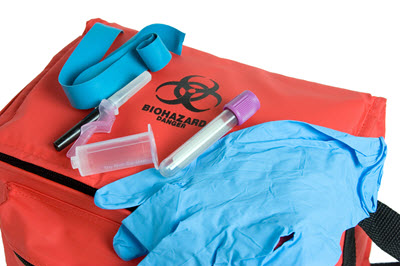
The next step will be to make sure you have the right supplies and equipment. For personal protective equipment you will need the following:
- A nonporous, one-time-use suit
- Gloves
- Filtered respirators
- Chemical-spill proof boots
Biohazard containers to store and dispose of the items that are cleaned up:
- Various sizes of biohazard heavy-duty bags
- Hard, sealed plastic containers for transporting materials
- Traditional cleaning supplies - mops, buckets, spray bottles, sponges, brushes, etc.
Because of the nature of the clean-up, it is likely you will also need the following cleaning supplies and equipment:
- Ozone machine (to remove odors)
- Foggers (so chemicals can get into tight places like air ducts, usually for odor removal)
- Vapor steam cleaners to for hard-to-clean and hard-to-reach places
- Long scrubbing brushes and wet vacuums to clean up blood coated surfaces
- Hospital-grade disinfectants
- Industrial-strength deodorizers
- Enzyme solvent (to kill bacteria and viruses and liquefy dried blood)
- Putty knives and razor blades to scrape up materials and cut out contaminated sections of carpeting
- Shovels (to clean up large amounts of materials)
- Chemical treatment tank (to disinfect and store matter sucked up by vacuum systems)
- Ladders
- Hammers, sledgehammers, saws, and paint brushes
- Spackle
You will need a truck or van to transport waste to the appropriate disposal sites. It is a good idea to have a digital camera to take before and after photos. Some insurance companies may require the homeowner to submit photos before the insurance company pays a claim.
Employees who work in crime scene cleanup must have a Hepatitis B shot every five years. An employee must also be physically fit, since cleanup of a crime scene may take several hours, days or even weeks to complete.
Before spending money on protective gear and equipment, make sure you get the appropriate training. This includes training in the areas of bloodborne pathogens, the proper use of protective gear, and the proper way to transport and dispose of the biohazards and other hazardous waste collected. There are schools that provide training in these areas. Charges vary depending on the type of training and prices range from $900 to $3000 for a three-day or 40-hour training course. Also, check with your state pollution control agency to see what regulations apply and what training they recommend.
Pricing Crime Scene Cleanup
Crime scene cleanup rates can range anywhere from $150 upwards to $600 per hour and are normally billed by the hour. The price will depend on the required cleaning specifications, scope of work, complexity of the cleanup and how long it will take to bring the site back to its original pre-incident condition.
Costs can include transportation, transport permits, medical/biohazard waste disposal, supplies, chemicals, and equipment.
Getting started in crime scene cleaning can require a large investment in supplies and equipment. Remember, crime scene cleaning is not a job for everyone - many people burn out the first year. But there are people who are well suited to this type of work. If you have the stomach for it, a sympathetic ear for the victim's family and the ability to wear protective gear for long periods of time, this can be a profitable business. This is a growing field and can pay off big time, especially if you are in a large city or metropolitan area.
 |
DVD: Bloodborne Pathogens Training for Janitorial Employees Workers in many different occupations, including janitorial employees, are at risk of exposure to bloodborne pathogens. OSHA has established a guideline to protect workers who, as a result of doing their job, could come in contact with blood or other potentially infectious material. NOTE: The Bloodborne Pathogens Training Program is also available in a Downloadable PDF and a Print version. Having a print version available to your employees will help reinforce what they've learned. See links below. Bloodborne Pathogens Training for Janitorial Employees (PDF Download) Bloodborne Pathogens Training for Janitorial Employees (Print) |
Visit our Store for Certification Training Programs





